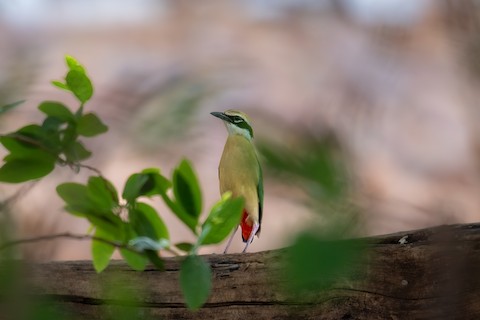
राजस्थान की जैव विविधता में बरगद की भूमिका : पक्षियों के संदर्भ में
राजस्थान को सामान्यतः मरुस्थलीय एवं शुष्क प्रदेश के रूप में देखा जाता है, किन्तु पारिस्थितिकीय दृष्टि से यह अत्यंत विविधतापूर्ण क्षेत्र है। यहाँ के तालाब, नदी तट, चारागाह, कृषि क्षेत्र, अरावली पर्वतमाला एवं ग्रामीण वृक्ष समुदाय अनेक प्रकार के जीवों को आश्रय प्रदान करते हैं। इस पारिस्थितिकीय संरचना में कुछ वृक्ष ऐसे हैं जो केवल वनस्पति का हिस्सा नहीं, बल्कि संपूर्ण जैव विविधता के आधार स्तंभ के रूप में कार्य करते हैं। बरगद (Ficus benghalensis) ऐसा ही एक वृक्ष है, जिसे पारिस्थितिकी विज्ञान में की-स्टोन प्रजाति (Keystone Species) के रूप में देखा जाता है।
की-स्टोन प्रजातियाँ वे होती हैं जिनकी उपस्थिति पर अनेक अन्य जीव प्रत्यक्ष अथवा अप्रत्यक्ष रूप से निर्भर रहते हैं। राजस्थान जैसे गर्म एवं जल-संकट वाले प्रदेश में बरगद का महत्व और भी बढ़ जाता है, क्योंकि यह वृक्ष वर्षभर भोजन, आश्रय, विश्राम स्थल एवं सूक्ष्म आवास (Microhabitat) उपलब्ध कराता है।
बरगद की संरचना एवं सूक्ष्म पारिस्थितिकी
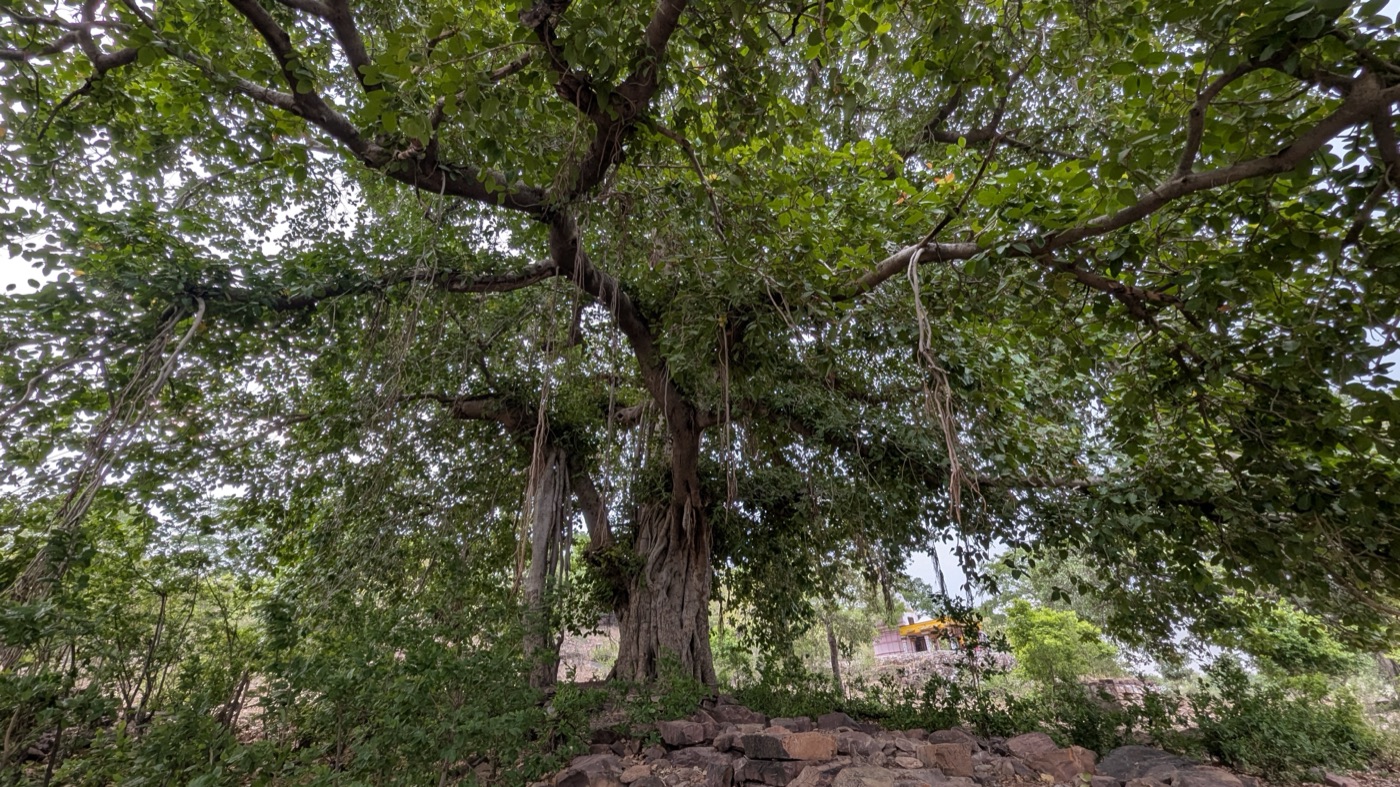
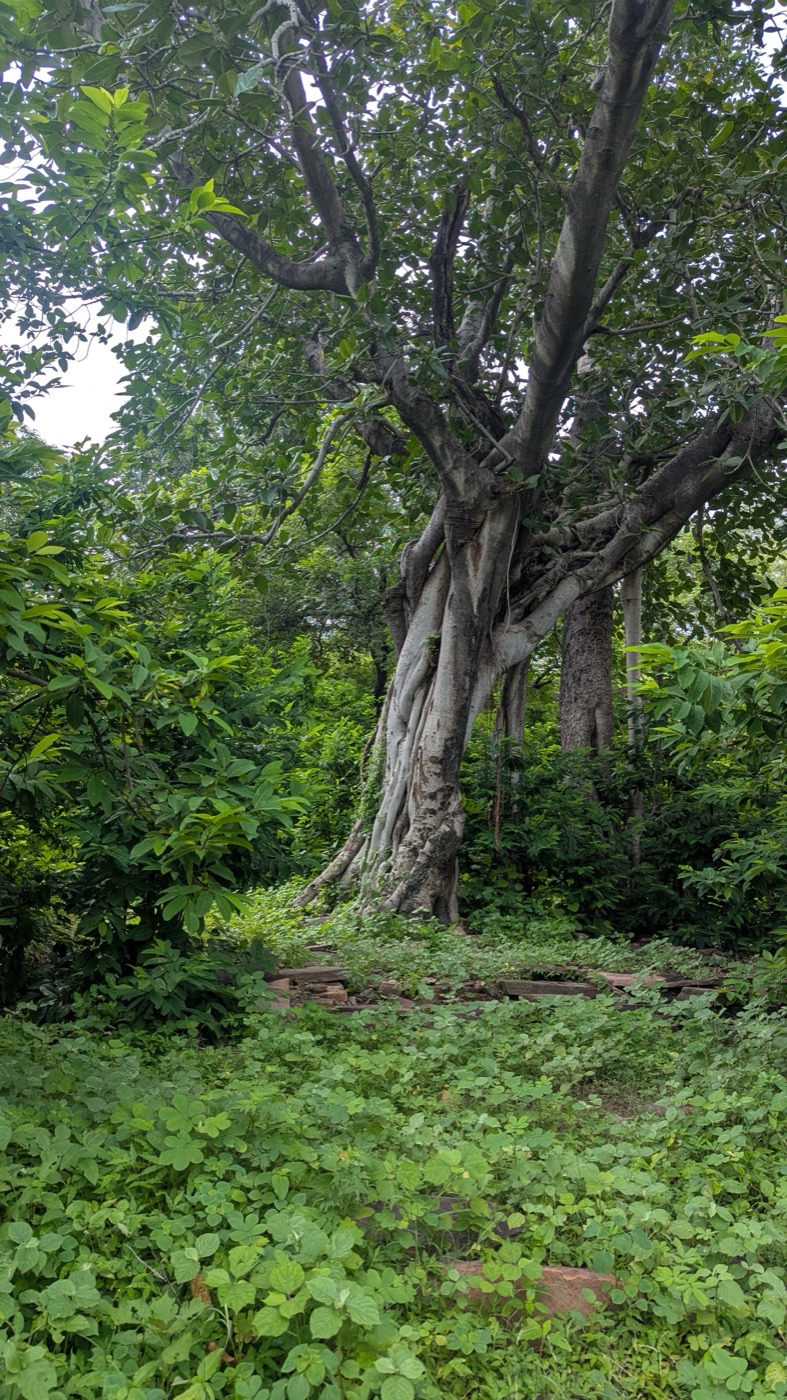
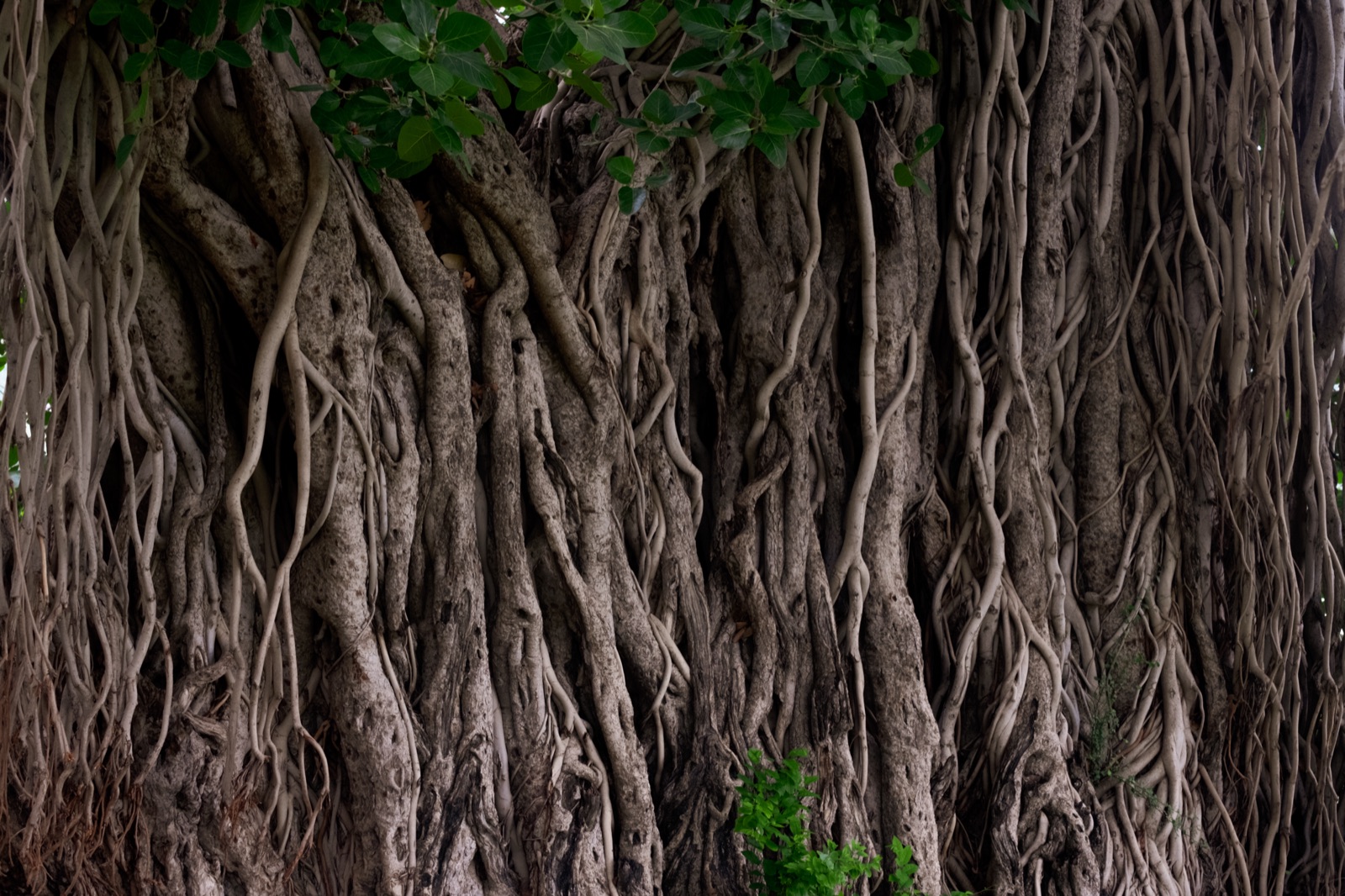
बरगद एक विशाल सदाबहार वृक्ष है जिसकी शाखाएँ चारों ओर फैलती हैं तथा उनसे निकलने वाली वायवीय जटाएँ (Aerial Roots) भूमि तक पहुँचकर अतिरिक्त तनों का निर्माण करती हैं। समय के साथ एक अकेला वृक्ष कई तनों वाले छोटे वन जैसा स्वरूप ग्रहण कर लेता है। इसकी यही संरचना इसे अन्य वृक्षों की तुलना में अधिक जटिल एवं समृद्ध सूक्ष्म पारिस्थितिकी तंत्र बनाती है।
इसकी घनी शाखाएँ एवं विस्तृत कैनोपी (Canopy) विभिन्न स्तरों पर अनेक जीवों को स्थान उपलब्ध कराते हैं। ऊपरी शाखाओं पर शिकारी पक्षी बैठते हैं, मध्य भाग में फलभक्षी एवं कीटभक्षी पक्षी सक्रिय रहते हैं, जबकि जटाओं एवं तनों के बीच छोटे कीट, मकड़ियाँ एवं सरीसृप आश्रय प्राप्त करते हैं। वृक्ष की छाल पर काई, लाइकेन एवं सूक्ष्म जीव समुदाय विकसित हो जाते हैं, जो आगे अन्य कीटों एवं पक्षियों के लिए भोजन का आधार बनते हैं।
बरगद की पत्तियाँ मोटी, गुद्देदार एवं चमड़े जैसी होती हैं, जिससे अत्यधिक गर्मी एवं जल की कमी की स्थिति में भी यह लंबे समय तक हरित बना रहता है। राजस्थान की गर्मियों में जब अधिकांश वृक्षों में पतझड़ चल रहा होता है, तब बरगद अपनी हरियाली बनाए रखता है और फल देता है। यही विशेषता इसे गर्मियों में पक्षियों एवं अन्य जीवों के लिए अत्यंत महत्वपूर्ण आश्रय बनाती है।
फलन एवं पक्षियों के लिए भोजन स्रोत
बरगद के छोटे फल (Figs) पारिस्थितिकी की दृष्टि से अत्यंत महत्वपूर्ण होते हैं। ये फल जोड़ों में लगते हैं तथा पकने पर लाल रंग के हो जाते हैं। राजस्थान में इसका मुख्य फलन अप्रैल-जून एवं अक्टूबर-नवंबर के दौरान देखा जाता है। विशेष रूप से अप्रैल-जून का समय अत्यधिक गर्म एवं शुष्क होता है, जब प्राकृतिक भोजन स्रोत सीमित होने लगते हैं। ऐसे समय में बरगद अनेक पक्षियों को ऊर्जा एवं पोषण उपलब्ध कराता है।
पक्षियों के लिए Ficus प्रजातियों के वृक्ष वर्षभर संसाधन देने वाली प्रजातियाँ माने जाते हैं, क्योंकि वे वर्ष के विभिन्न समयों में फल उपलब्ध कराते रहते हैं। इससे पक्षियों एवं अन्य जीवों को निरंतर भोजन प्राप्त होता रहता है। राजस्थान में बरगद के फल अनेक फलभक्षी पक्षियों के लिए महत्वपूर्ण आहार स्रोत हैं।
सूक्ष्म जलवायु एवं तापीय शरणस्थल
राजस्थान में गर्मियों के दौरान अप्रैल से जून का तापमान 45°C से अधिक पहुँच जाता है। ऐसे वातावरण में बरगद जैसे बड़े वृक्ष तापीय शरणस्थल (Thermal Refuge) का कार्य करते हैं। इसकी घनी छाया आसपास के क्षेत्र का तापमान कम करती है तथा आर्द्रता बनाए रखने में सहायता करती है।
सामान्यतः देखा गया है कि बड़े वृक्षों की छाया के नीचे तापमान खुले क्षेत्र की तुलना में कई डिग्री कम हो सकता है। इससे पक्षियों एवं अन्य जीवों को आवास और भोजन तलाशने में आसानी रहती है, इसीलिए गर्मियों में पक्षियों की गतिविधियाँ प्रायः ऐसे वृक्षों में या आसपास अधिक देखी जाती हैं।
बरगद पर आश्रित पक्षियों का पारिस्थितिकीय अवलोकन
साक्ष्य सहित
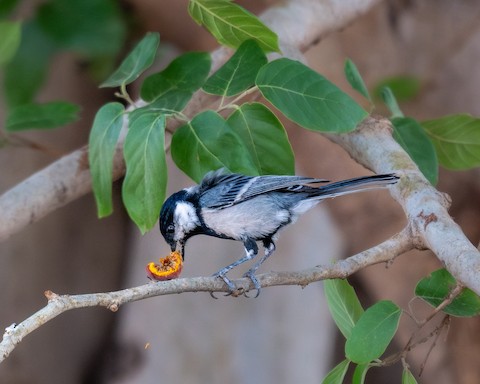
Cinereous Tit
Parus cinereus
फलों के बीच कीट खोजते हुए देखा गया
साक्ष्य सहित
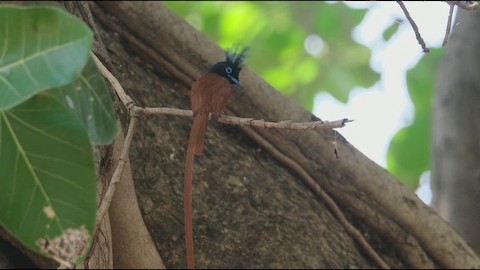
Indian Paradise Flycatcher
Terpsiphone paradisi
वृक्ष के नीचे कीट खोजते हुए
साक्ष्य सहित
Indian Cuckooshrike
Coracina macei
वृक्ष की ऊपरी शाखाओं एवं फलों पर कीट खोजते हुए
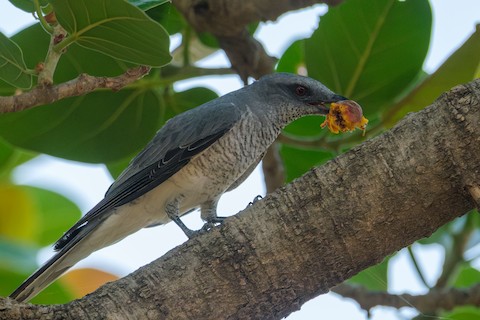
साक्ष्य सहित
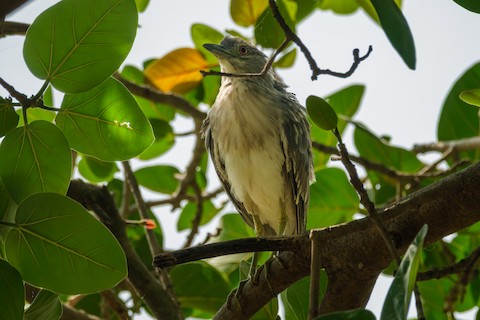
Tickell's Blue Flycatcher
Cyornis tickelliae
शाखाओं में बैठकर कीट पकड़ते हुए देखा गया
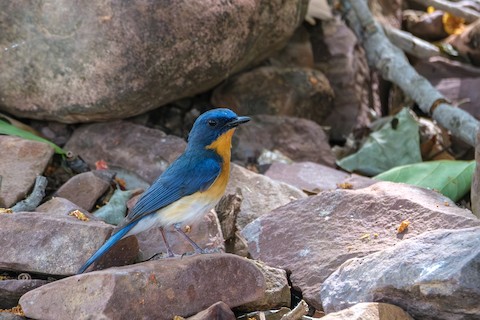
साक्ष्य सहित
Yellow-footed Green Pigeon
Treron phoenicoptera
बरगद के फलों का सेवन; बीज प्रसार में महत्वपूर्ण भूमिका
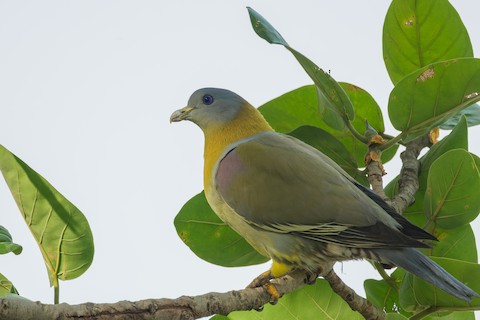
साक्ष्य सहित
Tawny-bellied Babbler
Dumetia hyperythra
शाखाओं, जटाओं एवं फलों के बीच सक्रिय; छोटे कीट खोजते हुए
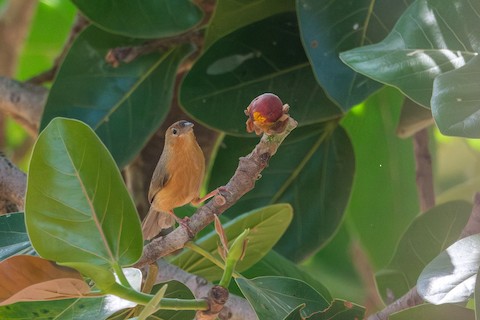
साक्ष्य सहित
Indian White-eye
Zosterops palpebrosus
छोटे समूहों में फलों के बीच कीट खोजते हुए
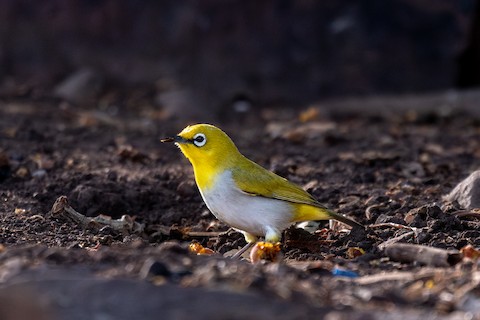
क्षेत्र अवलोकन
White-browed Fantail
Rhipidura aureola
कीट पकड़ते हुए; निचली शाखाओं में सक्रिय
सटीक मीडिया एसेट जोड़े जाने तक यह रिकॉर्ड केवल पाठ्य क्षेत्र-अवलोकन के रूप में रखा गया है।
साक्ष्य सहित
Indian Grey Hornbill
Ocyceros birostris
वृक्षों के फलों एवं कीटों का सेवन करते हुए देखा गया; ऊँची शाखाओं पर जोड़ों या छोटे समूहों में सक्रिय
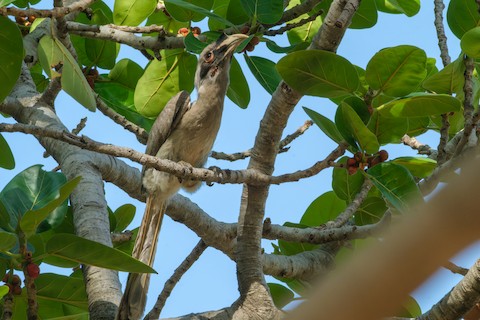
साक्ष्य सहित
Indian Pied Starling
Gracupica contra
वृक्ष के आसपास समूहों में भोजन खोजते हुए; कीट एवं फलों का सेवन
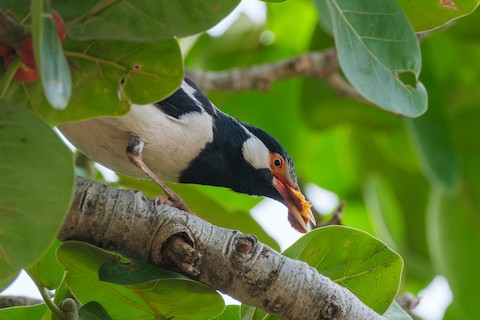
साक्ष्य सहित
Asian Koel
Eudynamys scolopaceus
वृक्षों के अंदर सक्रिय; फलों का सेवन
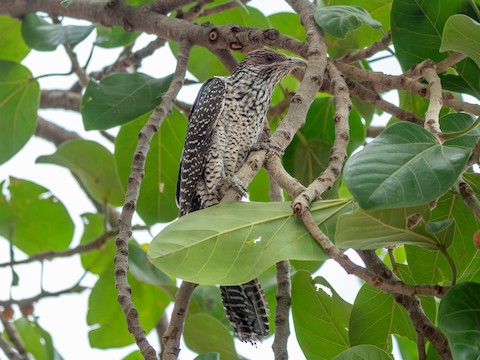
साक्ष्य सहित
Rose-ringed Parakeet
Psittacula krameri
समूहों में उड़ते एवं फलों, बीजों तथा कोमल कलियों का सेवन करते हुए
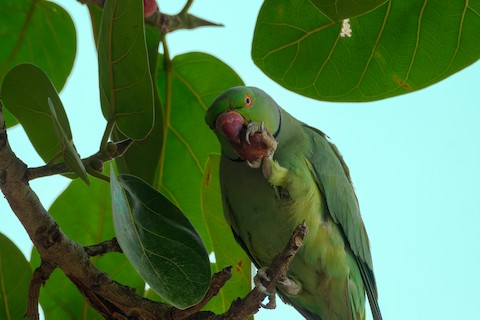
साक्ष्य सहित
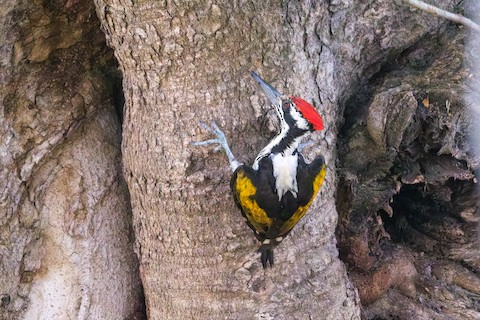
Yellow-crowned Woodpecker
Leiopicus mahrattensis
छाल पर चोंच मारकर कीट खोजते हुए; तनों एवं शाखाओं पर सक्रिय
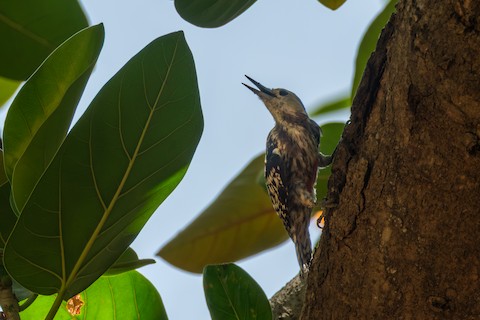
साक्ष्य सहित
Crested Bunting
Melophus lathami
वृक्ष के नीचे बीज एवं छोटे कीट खोजते हुए
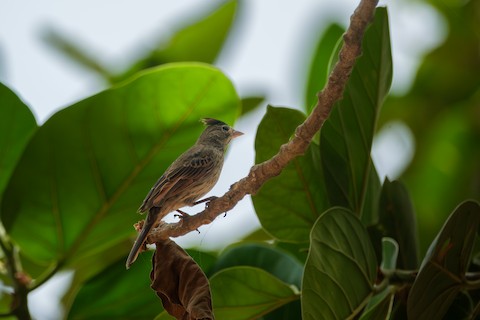
साक्ष्य सहित
Tree Pipit
Anthus trivialis
वृक्ष के नीचे भूमि पर कीट खोजते हुए
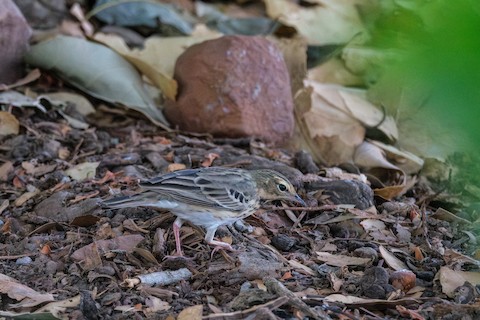
साक्ष्य सहित
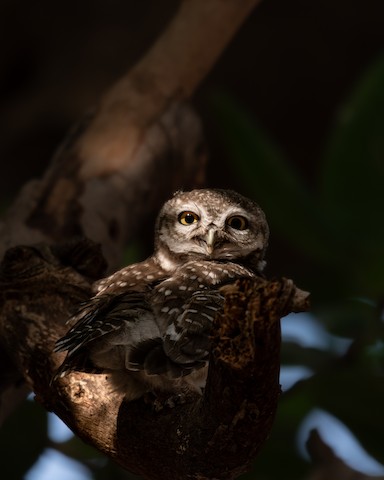
Spotted Owlet
Athene brama
खोखलों एवं शाखाओं में विश्राम करते हुए
The Role of Banyan in Rajasthan’s Biodiversity: With Reference to Birds
Rajasthan is often seen as a desert and dryland state, but ecologically it is highly diverse. Its ponds, riverbanks, grazing lands, agricultural edges, Aravalli hills, and rural tree communities provide shelter for many kinds of life. Within this ecological structure, some trees are not just part of the vegetation; they act as foundation species for wider biodiversity. The banyan (Ficus benghalensis) is one such tree, widely understood in ecology as a keystone species.
Keystone species are those whose presence directly or indirectly supports many other organisms. In a hot and water-stressed region like Rajasthan, the importance of the banyan increases because it provides food, shelter, resting space, and microhabitats across the year.
Structure and Micro-Ecology of the Banyan
The banyan is a large evergreen tree with branches that spread widely in all directions. Aerial roots descend from these branches and, after reaching the ground, form additional trunks. Over time, a single tree can take the shape of a small grove with many trunks. This structure makes the banyan a more complex and richer micro-ecosystem than many other trees.
Its dense branches and broad canopy create many layers of habitat. Raptors perch on the upper branches, fruit-eating and insect-eating birds remain active in the middle canopy, and small insects, spiders, and reptiles find shelter among the roots and trunks. Moss, lichens, and microbial communities develop on the bark, forming another food base for insects and birds.
Banyan leaves are thick, fleshy, and leathery, allowing the tree to remain green even under extreme heat and limited water. During Rajasthan’s summers, when many trees are shedding leaves, banyan trees often retain greenery and produce fruit. This makes them especially important refuges for birds and other life in the hot season.
Fruiting and Food Value for Birds
Banyan figs are small but ecologically important. They occur in pairs and turn red when ripe. In Rajasthan, the main fruiting period is usually observed during April-June and October-November. April-June is an especially hot and dry period, when natural food sources can become limited. At such times, the banyan provides energy and nutrition to many birds.
For birds, trees in the genus Ficus are often treated as year-round resource species because different individuals can fruit at different times of the year. This helps birds and other animals find a continuing food supply. In Rajasthan, banyan fruits are an important food source for many frugivorous birds.
Microclimate and Thermal Refuge
During April to June, summer temperatures in Rajasthan can rise above 45°C. In this environment, large trees such as banyans function as thermal refuges. Their dense shade reduces local temperature and helps retain humidity.
It is commonly observed that the temperature below large tree shade can be several degrees lower than in open areas. This makes it easier for birds and other animals to rest, move, and search for food. For this reason, bird activity in summer is often seen in and around such trees.
Ecological Observations of Birds Using Banyan Trees
Evidence linked
Cinereous Tit
Parus cinereus
Observed searching for insects among the fruits
Evidence linked
Indian Paradise Flycatcher
Terpsiphone paradisi
Searching for insects below the tree
Evidence linked
Indian Cuckooshrike
Coracina macei
Searching for insects on upper branches and around fruits
Evidence linked
Tickell's Blue Flycatcher
Cyornis tickelliae
Observed perching on branches and catching insects
Evidence linked
Yellow-footed Green Pigeon
Treron phoenicoptera
Feeding on banyan fruits; important for seed dispersal
Evidence linked
Tawny-bellied Babbler
Dumetia hyperythra
Active among branches, aerial roots, and fruits; searching for small insects
Evidence linked
Indian White-eye
Zosterops palpebrosus
Small groups searching for insects among fruits
Field observation
White-browed Fantail
Rhipidura aureola
Catching insects; active in lower branches
Kept as a text field observation until an exact media asset is attached.
Evidence linked
Indian Grey Hornbill
Ocyceros birostris
Observed eating fruits and insects; active in pairs or small groups on high branches
Evidence linked
Indian Pied Starling
Gracupica contra
Foraging in groups around the tree; feeding on insects and fruits
Evidence linked
Asian Koel
Eudynamys scolopaceus
Active inside the tree; feeding on fruits
Evidence linked
Rose-ringed Parakeet
Psittacula krameri
Flying in groups and feeding on fruits, seeds, and soft buds
Evidence linked
Yellow-crowned Woodpecker
Leiopicus mahrattensis
Pecking bark to find insects; active on trunks and branches
Evidence linked
Crested Bunting
Melophus lathami
Searching below the tree for seeds and small insects
Evidence linked
Tree Pipit
Anthus trivialis
Searching for insects on the ground below the tree
Evidence linked
Spotted Owlet
Athene brama
Resting in cavities and branches